
 See Our Latest Article on HelloNation
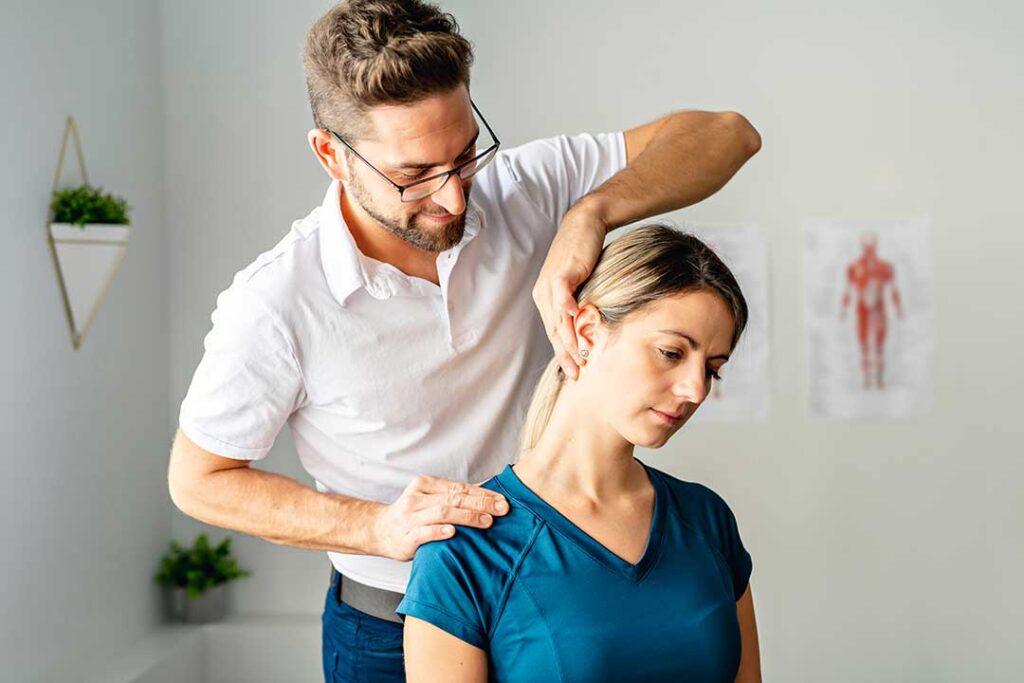
Healthy movement does not require an elaborate exercise plan. For many residents of Southeast, NY, the most useful approach is to change positions regularly, use comfortable body mechanics, and include brief periods of walking, stretching, and strengthening throughout the day.
Movement supports the muscles and joints that help with work, household tasks, driving, recreation, and rest. It can also reduce the stiffness that develops after long periods of sitting or repetitive activity.
Why does moving throughout the day matter?
The body generally tolerates activity better when movement is spread across the day rather than concentrated into one workout. Long periods in one position can leave the neck, shoulders, back, hips, or legs feeling stiff, even when the posture seems comfortable.
Adults also benefit from regular moderate-intensity activity each week, but shorter periods count. Walking for errands, taking the stairs, doing household tasks, or walking around the home between activities can contribute to a more active routine. The Centers for Disease Control and Prevention recommends at least 150 minutes of moderate-intensity physical activity per week for most adults. ([cdc.gov](https://cdc.gov/physical-activity-basics/guidelines/adults.html?utm_source=openai))
A practical goal is to ask, “How can this hour include a little more movement?” rather than treating exercise as something that happens only at a gym or during a scheduled workout.
How often should someone change position?
Change positions before discomfort becomes strong. If sitting, stand up, walk briefly, or move the shoulders and hips every 30 to 60 minutes. If standing for a long period, shift weight, take a few steps, or sit briefly when appropriate.
There is no single perfect posture that should be held all day. A supportive position becomes less useful if it is maintained without variation. Workplace ergonomics guidance emphasizes alternating between sitting, standing, and other activities when possible, while avoiding prolonged periods in one position. ([osha.gov](https://www.osha.gov/etools/computer-workstations/checklists/evaluation?utm_source=openai))
Simple reminders can help:
- Stand during part of a phone call.
- Walk to another room before returning to a task.
- Keep commonly used items close enough to avoid repeated awkward reaching.
- Use a timer, calendar reminder, or natural transition—such as the end of a meeting—as a cue to move.
- Take a short walk after eating rather than remaining seated immediately afterward.
The goal is not to interrupt every task constantly. It is to avoid allowing several uninterrupted hours to pass in the same position.
What can help people who work at a computer?
A computer workstation should allow the body to stay supported while still making movement easy. The screen, keyboard, mouse, chair, and work surface should be arranged so that the user does not need to lean forward, reach repeatedly, or bend the wrists for long periods.
Useful adjustments include:
- Keep the monitor near a comfortable viewing height and distance.
- Place the keyboard and mouse close enough that the elbows remain near the body.
- Support the feet on the floor or on a stable footrest.
- Keep the wrists relatively straight rather than sharply bent.
- Let the shoulders relax instead of lifting them toward the ears.
- Change between sitting and standing when the workstation allows it.
Short movement breaks may include standing, looking away from the screen, walking, gently stretching, or switching to a different task. OSHA guidance notes that frequent brief pauses can help muscles and tendons recover from repetitive computer work and static postures. ([osha.gov](https://www.osha.gov/etools/computer-workstations/work-process?utm_source=openai))
A laptop used for several hours can be especially challenging because its screen and keyboard are connected. Raising the screen while using a separate keyboard and pointing device may make it easier to maintain a more comfortable position.
How should daily lifting and household tasks be approached?
Many aches begin during ordinary activities such as moving laundry, carrying groceries, lifting a child, shoveling, gardening, or rearranging items at home. Safer movement starts with planning the task rather than rushing through it.
Before lifting:
- Check the weight and size of the object.
- Clear the path.
- Move closer to the load.
- Keep the object near the middle of the body.
- Bend through the hips and knees as needed.
- Turn with the feet instead of twisting while holding weight.
- Make several trips rather than carrying too much at once.
If an object is too heavy, unstable, or difficult to grip, getting assistance is safer than trying to manage it alone. Guidance from the National Institute of Arthritis and Musculoskeletal and Skin Diseases recommends limiting heavy loads when possible and using the legs and abdominal muscles rather than relying on the back alone. ([niams.nih.gov](https://www.niams.nih.gov/health-topics/back-pain/diagnosis-treatment-and-steps-to-take?utm_source=openai))
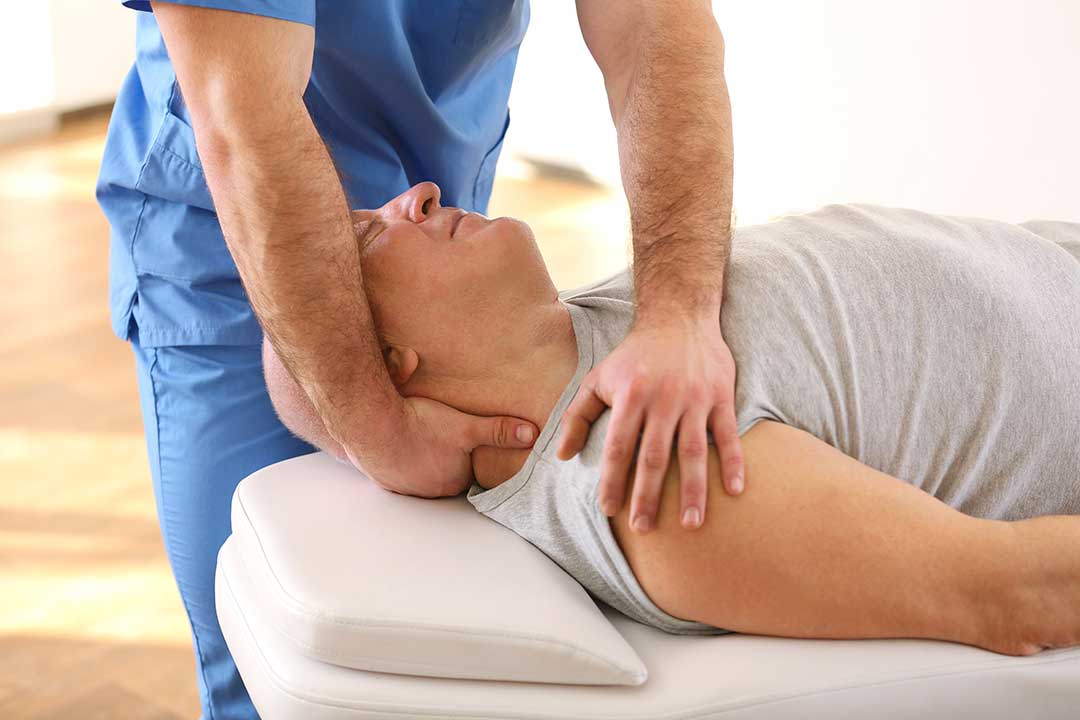
Seasonal chores deserve extra attention in Southeast. Cold weather can make muscles feel less ready for sudden effort, while spring cleanup, yard work, and snow-related tasks may involve movements the body has not practiced recently. Begin with easier tasks, take breaks, and increase the amount of work gradually.
Which stretches and movements are reasonable during the day?
Movement should feel controlled and generally comfortable. Gentle options include:
- Shoulder rolls in both directions.
- Slow neck turns within a comfortable range.
- Ankle pumps and circles after sitting.
- Easy walking for several minutes.
- Repeatedly standing from a chair, using the arms only if needed.
- Gentle hip movement, such as shifting weight from side to side.
- Light calf, chest, or upper-back stretches without bouncing.
Stretching is not meant to force a joint into a larger range of motion. A mild pulling sensation may be acceptable, but sharp pain, increasing tingling, numbness, weakness, or pain that lingers afterward is a reason to stop.
People who have been inactive should increase activity gradually. A short walk performed consistently is often more useful than an ambitious routine that causes soreness and is abandoned.
Does movement still matter when someone already has back or joint pain?
Often, complete inactivity is not the best response to ordinary stiffness or uncomplicated aches. Comfortable, low-impact movement may help prevent additional stiffness, while prolonged bed rest can make returning to normal activity more difficult. The right amount depends on the cause, severity, and pattern of symptoms.
Use a lower-intensity version of the activity and avoid movements that clearly worsen symptoms. For example, someone with discomfort after sitting may tolerate brief walking better than prolonged stretching, while someone irritated by repeated bending may need to adjust household tasks temporarily.
Seek prompt medical evaluation for serious warning signs such as new loss of bowel or bladder control, significant weakness, numbness in the groin area, severe pain after major trauma, fever with back pain, or unexplained weight loss. New or persistent symptoms that interfere with sleep, walking, work, or daily activities also deserve individualized medical guidance.
How can families make healthy movement easier?
Movement habits are easier to maintain when they fit normal routines. Area households may find it useful to connect movement with activities already happening each day: walking while supervising children, taking a brief indoor break during poor weather, stretching after a commute, or dividing household chores into shorter segments.
A balanced day includes several kinds of movement:
- Frequent position changes.
- Walking or other moderate activity.
- Light strengthening.
- Balance practice.
- Recovery and sleep.
Healthy movement is not defined by perfect posture or by avoiding every ache. It is the repeated practice of using the body in varied, manageable ways while paying attention to warning signs. A few minutes of movement at regular intervals can make work, travel, household responsibilities, and recreation easier to tolerate.
