
 See Our Latest Article on HelloNation
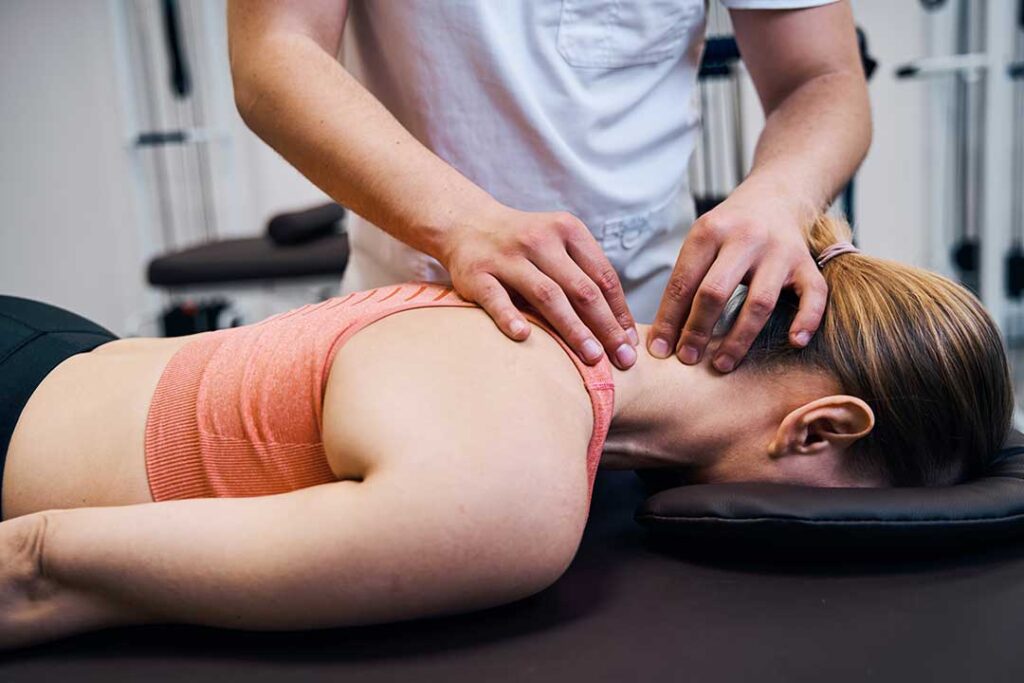
Is soreness after a chiropractic adjustment normal?
Mild soreness, stiffness, tiredness, or a temporary increase in discomfort can occur after a chiropractic adjustment. These effects are generally short-lived and often improve within several hours to a day, although some people may notice symptoms for a few days. ([mayoclinic.org](https://www.mayoclinic.org/tests-procedures/chiropractic-adjustment/about/pac-20393513?utm_source=openai))
Soreness does not automatically mean that something went wrong. An adjustment can affect joints, muscles, ligaments, and the nervous system, particularly if the body is already tense or has not moved normally because of pain. The sensation may resemble the achiness experienced after unfamiliar exercise.
The more useful question is not simply whether soreness occurred, but how intense it is, how long it lasts, and whether other symptoms appear.
What does normal post-treatment soreness feel like?
Typical soreness is usually mild to moderate and located near the area that was treated. It may feel like:
- Muscle tenderness
- General stiffness
- A bruised or achy sensation
- Temporary fatigue
- A mild headache, especially after treatment involving the upper back or neck
These symptoms should generally remain stable or begin improving rather than becoming progressively worse. Research reviewed by the National Center for Complementary and Integrative Health describes increased pain or discomfort, stiffness, and headache as common mild side effects, with many resolving within 24 hours. ([nccih.nih.gov](https://www.nccih.nih.gov/health/spinal-manipulation-what-you-need-to-know?utm_source=openai))
A person who received treatment for low-back discomfort, for example, might feel more aware of the muscles around the lower back later that day. Someone who spent much of the day driving, working at a desk, lifting household items, or clearing snow may also have soreness that is partly related to ordinary physical strain rather than the adjustment itself.
How long should soreness last?
Most mild post-adjustment soreness improves within 24 to 48 hours. Some sources describe mild aches and stiffness lasting a few days, particularly when the treated area was already irritated or movement had been limited. ([mayoclinic.org](https://www.mayoclinic.org/tests-procedures/chiropractic-adjustment/about/pac-20393513?utm_source=openai))
If discomfort is not improving after a couple of days, continues to intensify, or repeatedly occurs after treatment, the symptoms should be discussed with the treating chiropractor or another qualified healthcare professional. The technique, amount of force, treatment area, underlying condition, and other activities performed that day can all affect recovery.
Persistent soreness should not be dismissed as proof that treatment is “working.” Improvement should be judged by overall function, movement, and symptom trends—not by how uncomfortable a person feels afterward.
What can help with mild soreness?
For ordinary, short-lived soreness, gentle self-care is often reasonable:
- Keep moving lightly rather than remaining in bed for long periods.
- Avoid strenuous lifting, intense exercise, or repetitive bending until the area feels settled.
- Use a comfortable warm or cool application if it has helped with similar muscle soreness before.
- Drink fluids and allow time for rest.
- Pay attention to whether symptoms are improving, stable, or worsening.
Medication decisions are more individual. Over-the-counter pain relievers may not be appropriate for people with kidney disease, ulcers, blood-thinning medication, pregnancy, allergies, or other medical conditions. A pharmacist or medical clinician can help determine whether a medication is safe.
Residents in Southeast may notice more musculoskeletal irritation during seasonal activities such as snow removal, yard work, home maintenance, or extended periods indoors during cold weather. Those activities can overlap with post-treatment soreness, so noting what happened before and after an adjustment can help clarify the likely cause.
When is soreness a warning sign?
Severe, rapidly worsening, or unusual symptoms are not typical post-adjustment soreness. Prompt medical evaluation is appropriate if pain is accompanied by:
- New weakness or loss of strength in an arm or leg
- Increasing numbness or tingling
- Difficulty walking, balancing, speaking, or using an arm
- Loss of bladder or bowel control
- Severe or unusual headache
- Fainting, confusion, vision changes, or dizziness that does not settle
- Chest pain, shortness of breath, or significant illness
- Pain after a fall, crash, or other injury
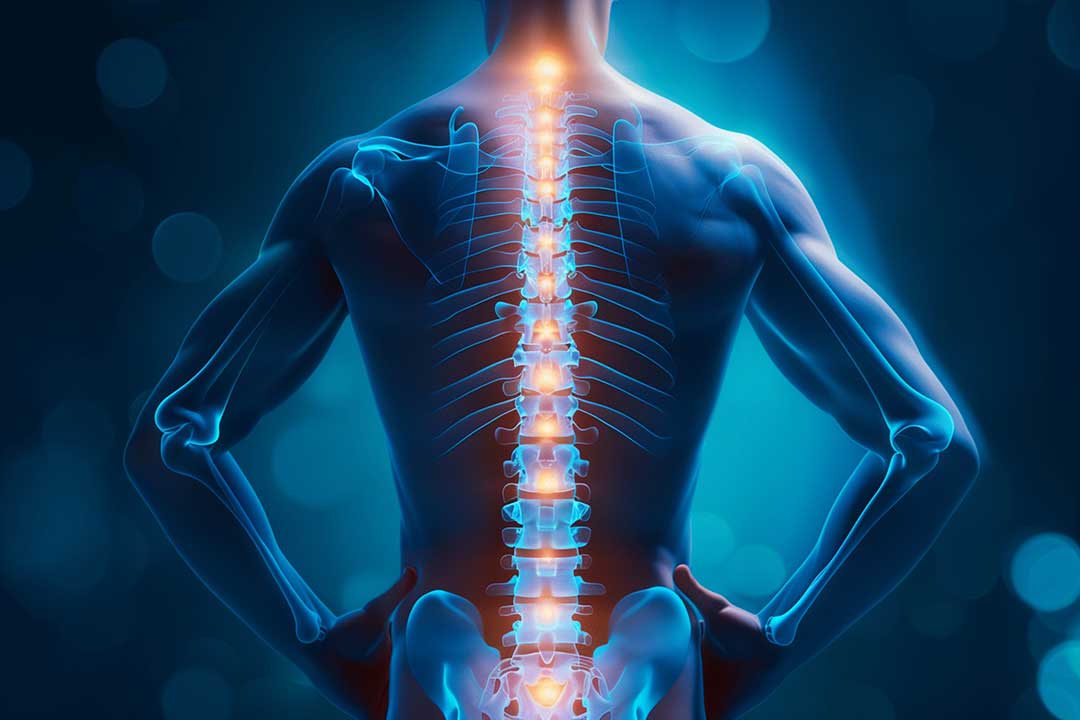
Neck manipulation deserves particular caution because rare but serious neurological or blood-vessel complications have been reported. NCCIH notes that serious adverse events are very rare, but they can include serious spinal or neurological problems and, in some cases, stroke involving arteries in the neck. The evidence about whether manipulation directly causes every such event is not settled, but the potential warning signs should be taken seriously. ([nccih.nih.gov](https://www.nccih.nih.gov/health/spinal-manipulation-what-you-need-to-know?utm_source=openai))
A sudden severe headache, especially with weakness, trouble speaking, facial drooping, loss of coordination, or vision changes, should be treated as an emergency rather than assumed to be routine soreness.
Should an adjustment hurt during treatment?
A chiropractic adjustment may create pressure, stretching, or brief discomfort, but sharp, severe, or escalating pain should be reported immediately. A person does not need to tolerate a technique that feels unsafe or excessively painful.
Treatment methods vary. Spinal manipulation uses a controlled thrust, while mobilization uses slower movement within a joint’s range and does not involve the same type of thrust. Discussing these options may be useful when someone has had significant soreness after a previous session. ([nccih.nih.gov](https://www.nccih.nih.gov/health/spinal-manipulation-what-you-need-to-know?utm_source=openai))
Before treatment, it is also relevant to mention osteoporosis, previous spinal surgery, cancer affecting the spine, inflammatory joint disease, blood-clotting concerns, recent trauma, pregnancy, neurological symptoms, and all current medications. Certain health conditions can increase the risk of injury or change which techniques are appropriate. ([mayoclinic.org](https://www.mayoclinic.org/tests-procedures/chiropractic-adjustment/about/pac-20393513?utm_source=openai))
Does soreness mean the adjustment was effective?
No. Soreness is not a reliable measure of treatment quality or effectiveness. Some people feel better immediately, while others notice gradual changes in movement or pain. Others may not benefit from a particular technique at all.
For low-back pain and some types of neck pain, spinal manipulation is one of several non-drug approaches that may provide modest improvement for some people. Evidence does not support assuming that a stronger adjustment, more frequent treatment, or greater soreness will necessarily produce better results. ([nccih.nih.gov](https://www.nccih.nih.gov/health/spinal-manipulation-what-you-need-to-know?utm_source=openai))
The practical standard is whether symptoms and daily function improve over time. If an adjustment repeatedly causes substantial discomfort, the treatment plan should be reassessed rather than automatically continued.
What should someone do after an adjustment?
Keep a simple record of the treated area, symptom intensity, activity level, and how long the soreness lasts. This can help distinguish a brief response from a pattern that needs attention.
Mild soreness that steadily improves is usually not alarming. Pain that becomes severe, lasts longer than expected, or occurs with neurological or whole-body symptoms warrants medical guidance. In an emergency, local emergency services should be used rather than waiting for the symptoms to pass.
