
 See Our Latest Article on HelloNation
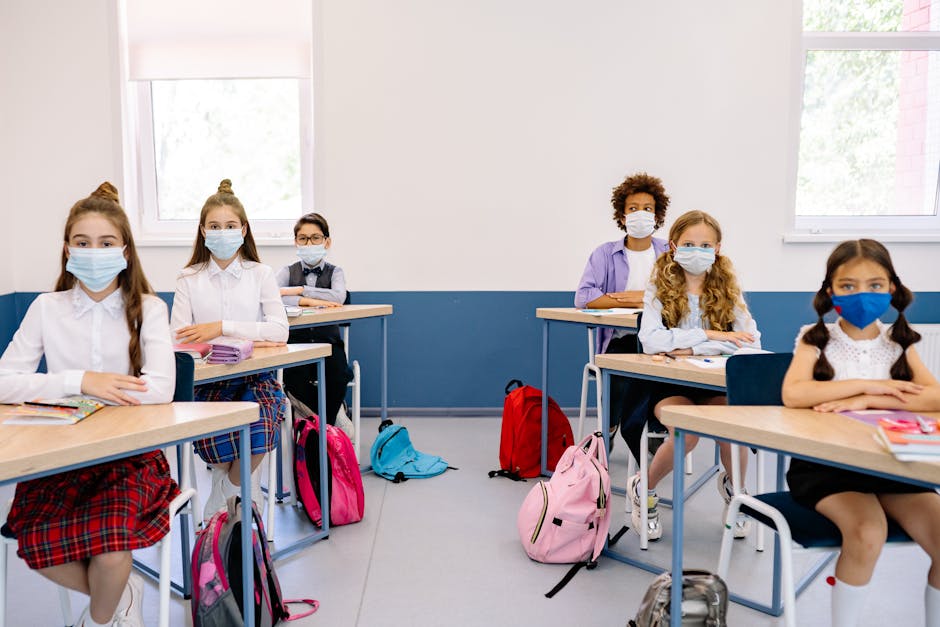
As the school bell rings in Southeast, NY, you’ll see children hustling down Main Street and through the corridors of our schools, backpacks strapped to their shoulders and filled to capacity with books, laptops, gym clothes, and lunches. While education is a priority, many parents don’t realize the silent impact an overloaded backpack can have on their child’s health. Beyond the obvious discomfort, carrying excessive weight daily can lead to long-term physical issues that affect children’s well-being and development.
Why Backpack Weight Matters for Kids
Children’s bones, muscles, and joints are still developing, making them more vulnerable to strain and injury from heavy loads. Studies show that carrying more than 10-15% of a child’s body weight in their backpack can lead to a variety of health complaints, some of which can have lasting consequences.
In a region like Southeast, NY, where kids may walk to nearby schools like George Fischer Middle School or ride the bus but still have to carry their packs for several minutes at a time, backpack weight becomes a daily concern.
Common Health Issues Caused by Heavy Backpacks
Carrying an overweight backpack doesn’t just cause short-term discomfort—it can lead to:
- Poor Posture: The most immediate effect of a heavy backpack is the alteration of a child’s natural posture. Kids may lean forward or hunch to counterbalance the load, putting stress on the spine and shoulders.
- Back, Neck, and Shoulder Pain: Over time, excess weight can cause chronic pain or even injuries such as strains and sprains.
- Nerve Compression: When straps dig into the shoulders, they can compress nerves, resulting in tingling, numbness, or weakness in the arms.
- Joint and Muscle Strain: Extra load stresses the hips, knees, and ankles, making active children more prone to overuse injuries—especially if they’re involved in sports or after-school activities around Southeast, NY’s parks and recreation areas.
- Balance and Falls: Carrying a heavy bag, especially if slung over one shoulder, increases the risk of trips and falls, a particular concern during the icy Northeast winters.
Recognizing the Signs: Is Your Child’s Backpack Too Heavy?
Parents and guardians in Southeast, NY should watch for warning signs that their child’s backpack could be causing harm, such as:
- Red strap marks on shoulders
- Complaints of back, neck, or shoulder pain
- Difficulty putting the backpack on or taking it off
- Changes in posture or frequent slouching
- Numbness or weakness in arms or hands
How to Choose and Pack a Backpack Safely
Selecting the right backpack and packing it properly are the first steps to preventing injuries.
- Choose the Right Backpack: Look for padded shoulder straps, a padded back, and a waist strap to help distribute weight. Backpacks with multiple compartments make it easier to organize and balance the load.
- Lighten the Load: Only pack what’s needed for the day. Encourage children to use lockers at Brewster High or their local school whenever possible, and remove unnecessary items nightly.
- Proper Fit: The bottom of the backpack should rest in the curve of the lower back, not more than four inches below the waist. Both shoulder straps should be worn at all times.
- Even Weight Distribution: Place heavier books closer to the back and lighter items toward the front of the bag for better balance.
- Regular Backpack Checks: Make it a weekly habit to sort through your child’s backpack together, clearing out anything that isn’t needed.
Adjusting to the Southeast, NY Lifestyle
Many families in Southeast, NY value outdoor activity and walkability, but the hilly local terrain can exaggerate the strain caused by overloaded backpacks. Walking to school or community events—especially in winter conditions—means children are often traversing uneven or slippery sidewalks with their school supplies. This increases the risk for slips, falls, and musculoskeletal injuries.
Encouraging your child to use a rolling backpack, if their school allows it, can be a smart solution for longer distances. However, these aren’t always practical in snow or on uneven ground common during Putnam County’s winters. In such cases, helping your child plan and prioritize what absolutely must be carried can make a big difference.
What Southeast, NY Parents Can Do
- Set a good example: Model good habits by carrying balanced, lightweight bags yourself.
- Communicate with teachers: Discuss the possibility of digital textbooks or lighter homework loads when possible.
- Support physical activity: Strengthening back and core muscles helps children manage everyday loads better. Southeast’s parks are a great place for family workouts!
- Know when to seek help: If your child develops persistent pain, tingling, or weakness, consult a healthcare professional—especially if symptoms don’t improve with adjustments to backpack use.
The Role of Chiropractors in Preventing and Treating Backpack-Related Injuries
Chiropractors play a crucial role in Southeast, NY, diagnosing and treating musculoskeletal imbalances caused by heavy backpacks. Chiropractic care can help relieve pain, improve posture, and educate families on healthy habits. If your child seems uncomfortable or exhibits the signs described earlier, a professional spinal evaluation could offer quick, effective relief and strategies to prevent future problems.
Conclusion
Southeast, NY is a thriving community where we want our children to learn, play, and grow in good health. By being mindful of backpack weight and taking steps to prevent issues before they arise, we can help ensure our kids stay on track—literally and figuratively—all school year long. Prioritizing their spinal health today helps them enjoy the activities, sports, and opportunities that make our area such a wonderful place to grow up.
