
 See Our Latest Article on HelloNation
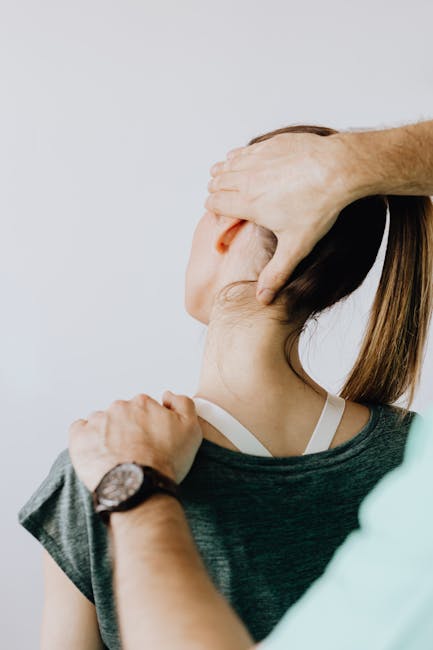
Living in scenic Southeast, NY means enjoying weekend hikes in the hills, afternoons on the tennis court at Wells Park, and brisk morning walks with the dog by the reservoir. It also means that, whether you're working at a desk or chasing after kids, you've probably heard or felt your joints "crack" now and then. For many, hearing that popping sound causes worry: Is this normal? Is it harmful? Do I need to see a specialist? As a trusted chiropractor in Southeast, NY, I’m here to answer those questions and separate myth from reality about joint cracking.
What Causes Joints to Crack?
Joint cracking—sometimes called “crepitus”—is the sound that occurs when you move a joint and hear a snap, pop, or crack. The most common explanation involves the release of gas bubbles from within the synovial fluid—the lubricating liquid between your joints.
- When you stretch or bend a joint, the pressure changes within the capsule around it.
- This can form bubbles of nitrogen, oxygen, and carbon dioxide gas, which then “pop.”
- The sound is similar to cracking your knuckles, which is why it’s familiar to everyone from high school athletes to weekend gardeners in Southeast, NY.
Other causes include ligament or tendon movement over joint structures or, less commonly, roughness in joint surfaces due to arthritis.
Myths vs. Facts: Is Cracking Your Joints Bad for You?
You’ve probably heard your grandmother (or a friend at Brewster Ice Arena) warn you that cracking your knuckles will cause arthritis. But what does the science say?
Myth: Cracking joints causes arthritis.
Fact: Multiple studies have found no evidence linking habitual joint cracking to an increased risk of arthritis. A famous 2011 study in the journal _Chiropractic & Manual Therapies_ found no correlation between knuckle cracking and hand arthritis, regardless of frequency.
Myth: It's always bad if your joints crack.
Fact: Occasional joint sounds, especially without pain or swelling, are considered normal and harmless. However, if cracking is accompanied by pain, discomfort, or functional problems, it’s time to see a healthcare professional.
When Should Southeast, NY Residents Worry?
With Southeast, NY's active lifestyle, it's common to feel an occasional joint pop after a soccer game at Sells Park or a yoga class at a local studio. Here’s when to pay closer attention:
- Pain – If joint cracking is painful, it can signal underlying issues, such as tendonitis or cartilage damage.
- Swelling or Redness – These signs often indicate inflammation or injury.
- Limited Motion – Difficulty moving the joint or a feeling of it “catching” or locking may signal more serious cartilage problems.
In winter, residents may notice joint noises increase due to cold-induced muscle tightness. Maintaining a good warmup before outdoor activities in places like Joe Bohrdrum Park can help minimize discomfort.
Why Do Chiropractors Crack Joints During Adjustments?
Professional joint manipulation is a common part of chiropractic care. But the “cracking” sound—which we call cavitation—is not the goal; it’s a byproduct.
- Chiropractors use targeted force to improve joint mobility and function.
- The popping sound is simply gas being released from the joint.
- Studies show these adjustments can increase range of motion and decrease pain in individuals, from commuters with sitting-related stiffness to local athletes.
Is It Safe to Crack Your Own Joints?
Self-manipulation—the habit of cracking your own neck or back—is popular but not always recommended.
- Occasional knuckle cracking is fine, but repeated, forceful neck or back adjustments can risk overstretching ligaments or causing joint instability.
- If you feel compelled to crack the same joint constantly, it’s a sign you should consult a professional, as this may point to underlying instability.
For Southeast, NY locals who spend hours on I-84 or Route 22 commuting, posture and repeated movement are common culprits of stiffness and self-cracking habits. Regular stretching, ergonomic workstations, and professional chiropractic care can address the root causes safely.
Tips for Healthy Joints in Southeast, NY
Whether you’re enjoying the trails at Tonetta Lake or playing basketball at the Southeast Recreation Center, caring for your joints is key to staying active. Here’s how:
- Stay Active: Regular exercise keeps joints lubricated and muscles strong.
- Warm Up: Before physical activity, do gentle stretches to prepare muscles and joints.
- Protective Gear: Use proper shoes and protective equipment for sports and outdoor activities.
- Hydrate: Joint cartilage thrives on good hydration, especially important in summer heat or after shoveling snow in winter.
- Check Ergonomics: Adjust your work and home setups to support healthy posture, especially for remote workers.
When to See a Chiropractor
Making chiropractic care a part of your routine can help diagnose and treat any abnormal joint sounds or pain. Consider making an appointment if you notice:
- Persistent pain with joint cracking.
- Swelling or loss of motion.
- Recurrent stiffness affecting your daily activities.
Chiropractors in Southeast, NY are well-versed in the local lifestyle and understand the common sources of joint issues that come with suburban living, outdoor activities, and long commutes.
The Bottom Line
Most joint cracking is perfectly normal and not a sign of damage or disease. For Southeast, NY residents, it’s important to stay active, practice good habits, and seek professional advice if cracking is accompanied by pain or other symptoms. Remember, your joints are designed for movement—so enjoy everything this vibrant community has to offer, and take care of your body so it can keep moving with you.
