
 See Our Latest Article on HelloNation
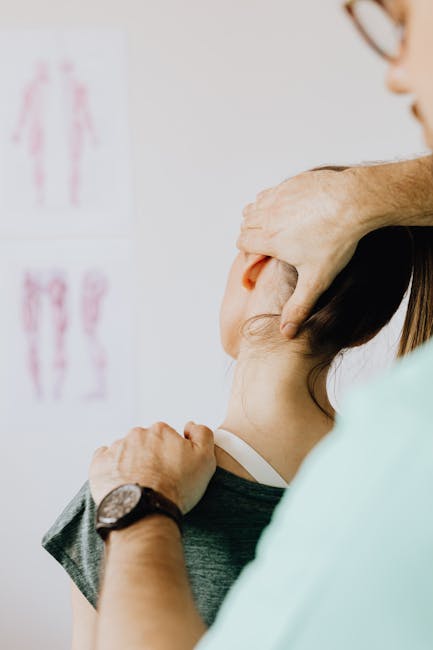
Travel is an exciting part of life for residents of Southeast, NY, whether you’re commuting along Route 684 for work, heading into New York City for a weekend, or taking a family road trip upstate. However, all that time spent sitting—whether in cars, trains, or airplanes—can take a toll on your lower back. As a chiropractor serving Southeast, NY, I often see an uptick in back pain complaints after holidays or family vacations. If you want to prevent lower back pain during travel and return home feeling refreshed, these tips are for you.
Why Does Travel Cause Lower Back Pain?
Sitting for long periods, vibrations from vehicles, lifting suitcases incorrectly, and cramped seating can all stress your lumbar spine. In Southeast, NY, we often deal with traffic snarls, especially near I-84 or during Metro-North rail commutes. Limited movement and poor posture are common, setting the stage for stiffness, muscle spasms, disc irritation, or even sciatica. Recognizing these risks is the first step in staying comfortable, no matter where your travels take you.
Planning Ahead: Smart Strategies Before You Leave
Prevention starts before your trip even begins. Here’s how people in Southeast, NY can prepare:
- Pack strategically: Use luggage with wheels, and avoid overpacking. Distribute weight evenly between bags.
- Schedule chiropractic care: A pre-travel spinal adjustment can help align your spine, reducing the risk of a flare-up.
- Choose your seats: If you have options, aisle seats on planes or trains allow for easier movement.
On the Road: Car Travel Tips
Driving is a way of life in Southeast, NY, with many locals commuting or taking short road trips. For lower back health:
- Adjust your seat: Recline the seat slightly, ensuring your lower back is supported. Use a lumbar roll or small pillow to maintain the spine’s natural curve.
- Take regular breaks: Every hour, pull over safely and walk around, stretching gently.
- Don’t keep your wallet in your back pocket: Sitting on an uneven surface can misalign your pelvis and spine.
- Consider cruise control: When safe, it allows you to shift your feet and change sitting positions without losing control of the car.
Train and Airplane Travel: Essentials for Comfort
Southeast, NY residents often take the Metro-North or fly out of Westchester County Airport. These seats can be even less forgiving to your lower back than your car.
- Bring your own lumbar support: A rolled-up jacket or travel pillow works wonders.
- Move frequently: Stand up, stretch, and walk up and down the aisle if it’s safe to do so.
- Keep your feet flat: Crossing your legs or keeping feet unsupported can strain the lower back.
Simple Stretches and Exercises for the Travel-Weary Back
Incorporating even a few minutes of stretching and movement can make a huge difference. Try the following (and look for safe opportunities at rest stops or station platforms in Southeast):
- Knee-to-chest stretch: Lying on your back, gently hug one knee to your chest, hold for 15 seconds, then switch legs.
- Seated twists: Gently rotate your torso side to side while seated, keeping your hips facing forward.
- Hamstring stretch: Place one heel on a low step or curb and lean forward gently.
These can all be done discreetly, even at a Metro-North platform or airport gate.
Lifting Luggage Safely
Whether you’re loading a suitcase into your trunk in Brewster or heaving a backpack onto the train, improper lifting is a major cause of sudden lower back injuries. Here’s how to do it right:
- Bend at your hips and knees, not your waist.
- Hold the load close to your body.
- Avoid twisting while lifting—pivot with your feet instead.
- Ask for help with heavy bags whenever possible.
Hydration and Diet: Overlooked Travel Factors
While you might be tempted to grab fast food or energizing coffee while on the go, staying hydrated and eating well can help reduce inflammation and muscle cramps.
- Drink water regularly, even if it means more frequent bathroom stops.
- Minimize processed snacks; opt for fruit, nuts, and lean protein.
- Limit caffeine and alcohol, as they can lead to dehydration.
Local Resources: How Southeast, NY Residents Can Support Back Health
Supportive travel doesn’t end with the trip. Maintain your health at home in Southeast, NY:
- Take advantage of local parks and walking trails like the Old Southeast Rail Trail to gently exercise your back.
- Schedule regular massage or chiropractic care if you notice new stiffness after extended travel.
- Engage in community yoga or stretching classes available at local studios or gyms.
When To Seek Help for Post-Travel Lower Back Pain
If your pain is severe, persistent, or accompanied by symptoms like tingling, numbness, or weakness, seek care from a healthcare provider. A chiropractor can help assess and treat misalignments, muscular imbalances, and other issues that may arise from travel.
Conclusion: Enjoy Your Journeys, Pain-Free
Travel should be enjoyable and restorative—not a source of back pain. By planning ahead, moving regularly, and knowing your body’s needs, you can prevent lower back pain whether your destination is Manhattan, the shores of Candlewood Lake, or beyond. Safe travels from your Southeast, NY chiropractic team!
