
 See Our Latest Article on HelloNation
Joint inflammation can make ordinary activities—walking, climbing stairs, opening containers, or getting comfortable at night—more difficult. For residents of Southeast, NY, practical self-care often means adapting movement and routines around seasonal weather, indoor time, household tasks, and work demands.
Natural approaches may help reduce discomfort and improve function, but they do not replace evaluation when swelling is persistent, severe, or caused by an autoimmune condition. The most useful strategies generally involve regular movement, strength, sleep, nutrition, weight management, and careful use of heat or cold.
What does joint inflammation mean?
Joint inflammation refers to irritation and swelling in or around a joint. It may occur with osteoarthritis, rheumatoid arthritis, gout, an injury, an infection, or another medical condition.
Osteoarthritis commonly affects the knees, hips, hands, back, or neck and may cause pain, stiffness, and swelling. Rheumatoid arthritis is different: it is an autoimmune disease that can damage joints if treatment is delayed. Similar symptoms can have very different causes, so “natural” care should begin with understanding the likely source of the problem. ([nccih.nih.gov](https://www.nccih.nih.gov/health/rheumatoid-arthritis-in-depth?utm_source=openai))
A joint that is suddenly red, hot, extremely painful, or difficult to move deserves prompt medical attention rather than home treatment alone.
Can gentle movement reduce inflammation?
Yes. Regular, joint-friendly activity can reduce pain, improve function, support mood, and help maintain muscle around vulnerable joints. Physical activity is generally safer than prolonged inactivity, which can increase stiffness and weakness. ([cdc.gov](https://www.cdc.gov/arthritis/prevention/index.html?utm_source=openai))
Good starting options include:
- Walking at a comfortable pace
- Light cycling
- Water exercise
- Gentle range-of-motion exercises
- Tai chi
- Light gardening or household movement
- Strength training with resistance bands or manageable weights
A practical approach is to begin with five or ten minutes and increase gradually. On a cold or icy day, indoor walking, mobility exercises, or chair-based strength work may be more realistic than outdoor activity. The goal is consistency, not pushing through sharp pain.
Some soreness or stiffness can occur after beginning a new routine. However, sharp pain, limping, increasing swelling, or symptoms that remain worse for more than a few hours indicate that the activity should be reduced or changed. ([archive.cdc.gov](https://archive.cdc.gov/www_cdc_gov/arthritis/basics/physical-activity/pain.html?utm_source=openai))
How should stretching and strengthening be used?
Stretching can help maintain comfortable motion, while strengthening supports the muscles that help stabilize a joint. For knee symptoms, for example, strengthening the hips and thighs may make walking and stair use easier. For shoulder or neck discomfort, controlled mobility and posture changes may be more useful than forceful stretching.
Try slow movements within a comfortable range:
- Bend and straighten the affected joint gently.
- Avoid bouncing or forcing the final part of a stretch.
- Use a warm shower or heating pad briefly before movement if stiffness is the main problem.
- Use cold after activity if swelling is the dominant symptom, protecting the skin with a cloth barrier.
Heat can relax muscles and ease stiffness, while cold may temporarily reduce swelling and discomfort. Neither method treats the underlying cause, and excessive heat or prolonged cold can injure skin.
Can an anti-inflammatory eating pattern help?
A balanced eating pattern may support overall health and help with weight management, although no single food eliminates joint inflammation. A practical pattern emphasizes vegetables, fruits, beans, whole grains, nuts, seeds, and fish or other protein sources. It also limits heavily processed foods, excess added sugar, and frequent oversized portions.
For people carrying extra body weight, even modest weight loss can reduce mechanical stress on weight-bearing joints. This does not mean that joint pain is a person’s fault; it means that load, muscle strength, sleep, and activity can interact. CDC guidance identifies physical activity and maintaining a healthy weight as useful parts of osteoarthritis management. ([cdc.gov](https://www.cdc.gov/arthritis/osteoarthritis/index.html?utm_source=openai))
Fish oil and other supplements are sometimes promoted for joint inflammation. Evidence differs by diagnosis. Omega-3 supplements may help some rheumatoid arthritis symptoms when used alongside conventional treatment, but supplements have not shown the same clear benefit for osteoarthritis. They may also interact with medicines, including drugs that affect blood clotting. ([nccih.nih.gov](https://www.nccih.nih.gov/health/rheumatoid-arthritis-in-depth?utm_source=openai))
Do sleep and stress affect joint symptoms?
They can. Poor sleep may increase pain sensitivity, reduce energy, and make movement more difficult. Stress can also contribute to muscle tension and make chronic pain feel more intrusive.
Helpful habits include keeping a regular sleep schedule, limiting stimulating activities before bed, and using brief relaxation practices such as paced breathing, mindfulness, or gentle stretching. These techniques may not remove inflammation directly, but they can improve coping, sleep quality, and daily function.
If pain repeatedly wakes a person, causes significant fatigue, or is accompanied by prolonged morning stiffness, the pattern should be discussed with a healthcare provider.
Are tai chi, yoga, massage, or acupuncture useful?
Some complementary approaches may help selected people, particularly when combined with exercise and other evidence-based care.
Research suggests that tai chi can improve pain, stiffness, balance, and function in people with knee or hip osteoarthritis. Yoga may help some people with knee symptoms when movements are modified. Evidence for massage is more limited, and acupuncture may provide modest short-term relief for some osteoarthritis pain. ([nccih.nih.gov](https://www.nccih.nih.gov/health/providers/digest/arthritis-and-complementary-health-approaches?utm_source=openai))
Safety depends on the individual. A person with a recent injury, severe osteoporosis, joint replacement, nerve symptoms, or an active inflammatory flare may need modified techniques. Forceful stretching or manipulation should not be used over a hot, acutely swollen, or injured joint.
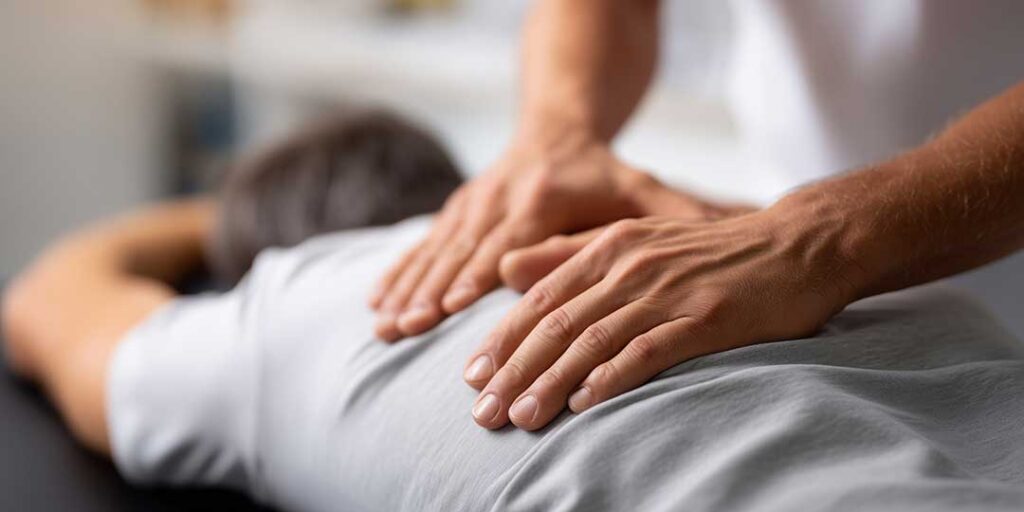
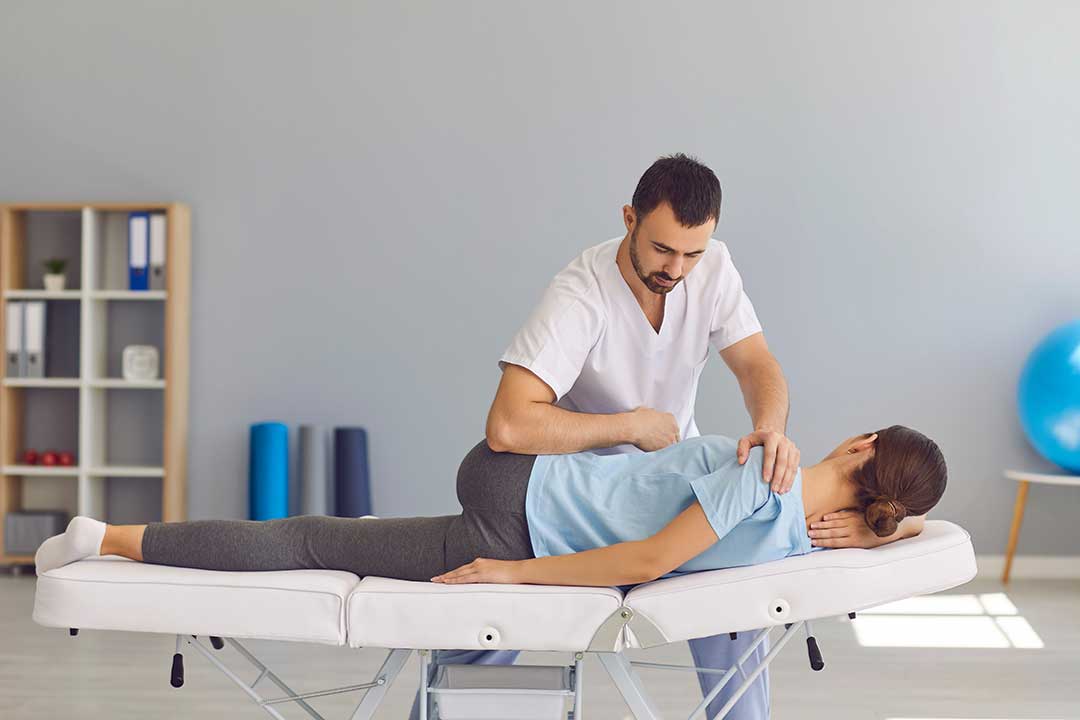
Chiropractic care is sometimes used for musculoskeletal concerns involving the spine and surrounding joints. It should not be viewed as a substitute for diagnosing rheumatoid arthritis, gout, infection, or another systemic cause of inflammation. Persistent swelling or symptoms affecting several joints require appropriate medical assessment.
Which “natural” products should be approached cautiously?
“Natural” does not automatically mean safe. Supplements may vary in quality, interact with prescriptions, or cause side effects. Glucosamine and chondroitin have produced mixed results, and evidence remains uncertain for many products marketed for arthritis. NCCIH advises discussing supplements and complementary approaches with healthcare providers before use. ([nccih.nih.gov](https://www.nccih.nih.gov/health/providers/digest/arthritis-and-complementary-health-approaches?utm_source=openai))
Be particularly cautious with products that promise to “cure” arthritis, replace prescribed treatment, or produce rapid results. Rheumatoid arthritis treatment can help prevent permanent joint damage, so delaying appropriate care in favor of supplements may carry real risks. ([nccih.nih.gov](https://www.nccih.nih.gov/health/rheumatoid-arthritis-in-depth?utm_source=openai))
When should joint inflammation be evaluated?
Seek prompt medical attention for:
- A joint that is hot, red, suddenly swollen, or severely painful
- Fever or feeling acutely ill along with joint symptoms
- Inability to bear weight or use the joint
- Symptoms after a significant fall or injury
- New swelling in several joints
- Numbness, weakness, or loss of coordination
- Morning stiffness that lasts a long time or keeps recurring
- Pain that does not improve with rest and sensible activity changes
For many people, the safest natural plan is not a single remedy. It is a measured routine that combines comfortable movement, gradual strengthening, adequate sleep, balanced meals, weight-supportive habits, and careful attention to warning signs.
