
 See Our Latest Article on HelloNation
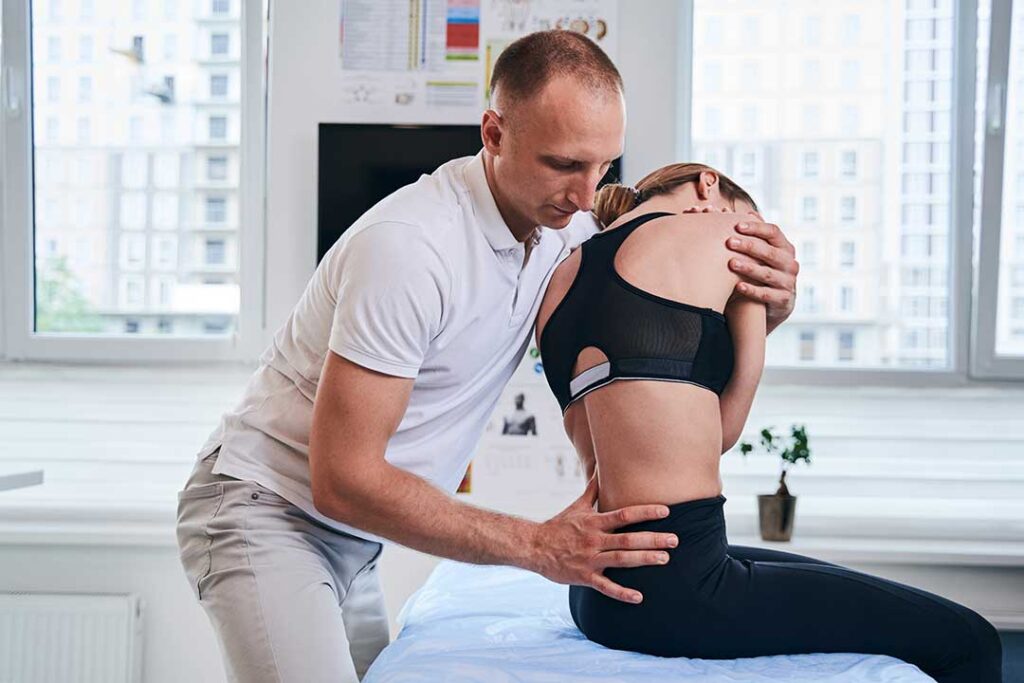
Are Most Cases of Back Pain Caused by Serious Conditions?
Most back pain is not caused by dangerous or life-threatening conditions.
The majority of people in Southeast, NY who experience back pain are dealing with issues related to muscle strain, ligament sprains, or everyday wear-and-tear. True medical emergencies—such as severe infections, broken bones, or tumors—are rare and usually come with additional warning signs like fever, unexplained weight loss, or significant trauma.
Household chores, gardening in the spring and fall, lifting items in the garage, and even shoveling snow in the winter can trigger strains or minor soft-tissue injuries. While these can be painful, most will improve with rest and gentle movement.
If back pain is accompanied by:
- Numbness in the groin area
- Loss of bladder or bowel control
- Sudden, severe weakness in the legs
—those are urgent symptoms and require immediate medical attention, but such cases are uncommon in the community.
Does Back Pain Always Mean You Need an X-ray or MRI?
Most people with back pain do not need imaging tests.
Unless there are signs of a serious underlying problem (see above), most guidelines do not recommend X-rays or MRIs during the early weeks of back pain. Many painful problems, like muscle strains or minor joint irritation, will not show up clearly on standard scans.
Imaging can sometimes reveal “abnormalities” that are common in people without any pain at all—such as minor disc bulges or wear-and-tear. This can sometimes make people more anxious and doesn’t always lead to helpful changes in care.
For most local residents, advice from a primary care doctor, gentle movement, and changes in daily habits will help more than an early scan.
Can Resting in Bed Speed Up Recovery?
Prolonged bed rest can slow recovery from back pain, not speed it up.
Years ago, people were often advised to stay in bed for several days after hurting their back. Modern research has shown that too much rest can actually make pain last longer and cause muscles to decondition.
For most people in the city, gentle movement—such as short walks, light stretching, or resuming usual daily activities—leads to better outcomes. It is generally best to avoid heavy lifting or repetitive twisting while pain is severe, but staying lightly active is usually safe and helpful.
Is Back Pain Permanent or a Sign of Ongoing Disability?
Back pain rarely means you will have a lifelong problem.
Most acute back pain episodes, including those caused by routine activities around Southeast households (like raking leaves or lifting groceries), begin to improve within days or weeks. Occasional flare-ups may happen throughout life but are usually manageable with self-care, physical activity, and reasonable ergonomic habits.
Persistent or severe pain that interferes with everyday life does sometimes occur, but advances in knowledge about pain, combined with practical daily strategies, mean that most people can find ways to stay active and comfortable over time.

Do Only Older Adults Get Back Pain?
Back pain can affect people of all ages, including children and teens.
While it’s more common among older adults due to the natural process of aging, younger people in the area can develop pain as well—often from sports injuries, carrying heavy backpacks, or poor posture while studying or using screens.
It’s a good idea for families to encourage a mix of movement, stretching, and awareness of posture, especially during the colder months when outdoor activity might be lower, to reduce the risk for everyone in the household.
Should You Ignore Back Pain That Comes and Goes?
New or recurrent back pain should not be ignored, but it isn’t always serious.
Temporary pain that follows a specific activity—such as shoveling snow or rearranging the attic—will often resolve on its own. If pain keeps returning or gets worse, it can be helpful to review furniture arrangements, workstation setups, sleep surfaces, and daily movement habits.
Simple changes, such as adjusting a chair, standing up frequently during long drives to nearby areas, or ensuring winter boots don’t strain posture, can make a substantial difference.
Does Exercise Harm a Sore Back?
In most cases, appropriate exercise is safe and beneficial even during mild back pain.
Low-impact activities such as walking, gentle yoga, water aerobics at community pools, or specific stretches tailored by health professionals are often recommended. Exercise can help manage stiffness, improve mood, and speed recovery.
People should avoid activities that cause sharp pain or require lifting heavy objects until symptoms are improved, but complete avoidance of movement is rarely necessary for most Southeast residents.
Are Supplements or Special Devices Always Needed?
Few people with back pain need supplements, braces, or gadgets to heal.
While some find temporary relief using heat pads, lumbar supports, or simple at-home remedies, most back pain improves with time and movement. Over-the-counter pain relief medicines can help in the short-term, but long-term use should be discussed with a medical provider.
Supplements or “miracle cures” marketed online are not supported by strong scientific evidence for most cases. Focusing on everyday posture, moderate exercise, and regular routines serves area residents better in both the short and long term.
