
 See Our Latest Article on HelloNation
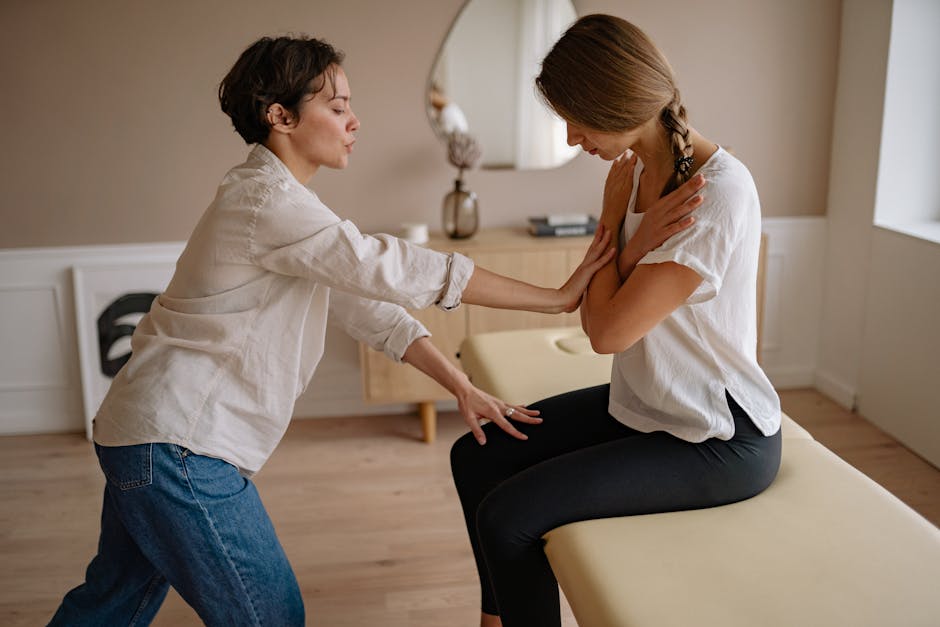
If you live in Southeast, NY, you already know how our days can fill up quickly—shuttling between Metro-North commutes, hours hunched at a desk, and evenings spent unwinding with family at home. But while our busy routines keep us moving, they might also contribute to an often-overlooked health issue: poor posture. More than just a cosmetic concern, posture plays a critical role in how we feel, perform, and even how we age. Let’s dive into how poor posture can truly affect your overall health, with tips that fit right into our local lifestyle.
What Is Poor Posture?
Poor posture describes any habitual position that places unnecessary strain on your spine and muscles. It can look like:
- Slumping shoulders
- Forward head position (tech neck)
- Rounded back when sitting
In Southeast, NY, it’s easy to slip into these habits during long drives on I-684, sitting at Brewster coffee shops with laptops, or waiting for a train. Over time, these patterns can set the stage for bigger health problems.
The Ripple Effect: How Poor Posture Affects the Body
Poor posture doesn’t just make you look less confident. It has far-reaching effects on nearly every system in your body. Here are some of the most significant ways:
1. Chronic Back and Neck Pain
The most obvious impact is musculoskeletal pain. Slouching or hunching forward can strain the muscles and ligaments supporting your spine, leading to:
- Localized aches in your lower back and shoulders
- “Text neck”—a result of looking down at phones and laptops
- Stiffness or reduced range of motion
If you spend long hours at the office or working from home in Southeast, NY, these pains can become a daily reality.
2. Headaches and Fatigue
Did you know poor posture can contribute to tension headaches? This happens as muscle tension in your neck and upper back transfers stress to your head. Poor posture restricts blood flow and sluggishness can set in, making you feel tired or foggy—a problem especially noticeable in our fast-paced lifestyles.
3. Reduced Lung Capacity and Breathing Efficiency
Slouching compresses the lungs and diaphragm, limiting your ability to take full, deep breaths. This is crucial in Southeast, especially with outdoor activities like hiking at Tilly Foster Farm or biking along the Putnam Trailway. Optimal posture allows you to breathe deeply, fueling your muscles with oxygen and supporting your cardiovascular health.
4. Impaired Digestion
Sitting in a hunched position can compress your abdominal organs, causing sluggish digestion. Whether you’re enjoying local cuisine or grabbing a quick bite between meetings, poor posture can lead to problems like acid reflux, constipation, and bloating.
5. Poor Circulation
Crossing your legs or sitting in constricted positions for hours on end can hamper blood flow. This may result in cold extremities, swelling, or even increase your risk for varicose veins—a concern if your job or local commute requires long periods of immobility.
Poor Posture and Mental Health
Research increasingly links posture with emotional well-being. Consistently poor posture can encourage feelings of:
- Anxiety
- Low energy or mood
- Reduced confidence
Standing tall and practicing good posture can actually boost your mood and resilience during stressful days—something we all need while keeping up with the pace in Southeast, NY.
The Local Angle: Why Posture Matters in Southeast, NY
Southeast’s mix of suburban sleepiness and New York hustle presents unique challenges and opportunities for healthy posture habits:
- Commuting: Long train rides to NYC and driving to neighboring towns can encourage slouching or awkward sitting positions.
- Remote Work: More people are working from home, often without ergonomic office setups.
- Active Community: The area boasts plenty of parks and recreational activities—optimal posture can help you enjoy these without pain or fatigue.
Simple Tips to Improve Your Posture
The good news? You don’t need drastic changes; small adjustments throughout your day make a big difference.
- Set Reminders to Move: Stand up and stretch for a few minutes every hour, especially if you’re at your desk or commuting.
- Adjust Your Seat: Make sure your chair supports your lower back. Keep your feet flat on the floor with knees at hip level.
- Monitor Your Screen: Keep your devices at eye level to avoid tech neck.
- Practice Core Strengthening: Activities like yoga, pilates, or swimming at Southeast’s local gyms can strengthen supportive muscles.
- Be Mindful: Notice your posture during daily activities—from grocery shopping at Harvest Moon to enjoying coffee in downtown Brewster.
When to Seek Professional Help
If you experience persistent pain, numbness, or tingling despite adjusting your posture, consult a chiropractor or healthcare provider. Southeast, NY is home to skilled professionals who can offer a personalized assessment and create a plan tailored to your needs. Early intervention can prevent chronic issues and help you stay active in our dynamic community.
Investing In Your Long-Term Health
Posture is more than just about standing straight. It’s a foundation for lifelong health, especially in a region like Southeast, NY, where our daily routines easily encourage slouching and hunching. By making mindful changes now, you’ll not only alleviate discomfort but also boost your energy, confidence, and enjoyment of everything our area has to offer.
Take a moment right now: check in with your posture. A few simple adjustments—both at home and out in the community—can have a profound effect on your wellbeing for years to come.
